One of the most common questions people ask before trying a tarot reading is:
How accurate is tarot?
It's a fair question.
After all, tarot cards are often associated with predicting the future, uncovering hidden truths, or providing guidance during uncertain times.
Some people swear by tarot.
Others remain skeptical.
The reality is more nuanced than either extreme.
The accuracy of a tarot reading depends not only on the cards themselves, but also on how tarot is understood and used.
In this guide, we'll explore:
- What people mean when they ask if tarot is accurate
- What tarot can realistically help with
- Common misconceptions about tarot readings
- Why some readings feel surprisingly relevant
- How modern AI tarot readings fit into the conversation
Why People Question Tarot Accuracy
Unlike weather forecasts, medical tests, or financial reports, tarot doesn't produce measurable predictions.
This naturally leads to skepticism.
Questions often include:
- Can tarot predict the future?
- Are tarot readings just coincidence?
- Why do some readings feel incredibly accurate?
- Is tarot based on psychology or spirituality?
The challenge is that tarot operates differently from most systems people use to evaluate accuracy.
Tarot is not designed to function like a scientific instrument.
Instead, it functions as a symbolic framework for reflection and interpretation.
Understanding that distinction changes how we evaluate whether a reading is "accurate."
What Does "Accurate" Mean in a Tarot Reading?
When people ask whether tarot is accurate, they often mean one of two things.
Prediction Accuracy
Can tarot predict exactly what will happen in the future?
Most experienced tarot readers would say no.
Tarot is not a crystal ball.
Life contains countless variables, choices, and circumstances that continue to evolve.
No tarot reading can guarantee a specific future outcome.
Reflective Accuracy
A more useful question is:
Does the reading accurately reflect my situation?
This is where many people find value in tarot.
A reading may reveal:
- Emotional patterns
- Blind spots
- Internal conflicts
- Hidden motivations
- New perspectives
In this sense, accuracy becomes less about prediction and more about insight.
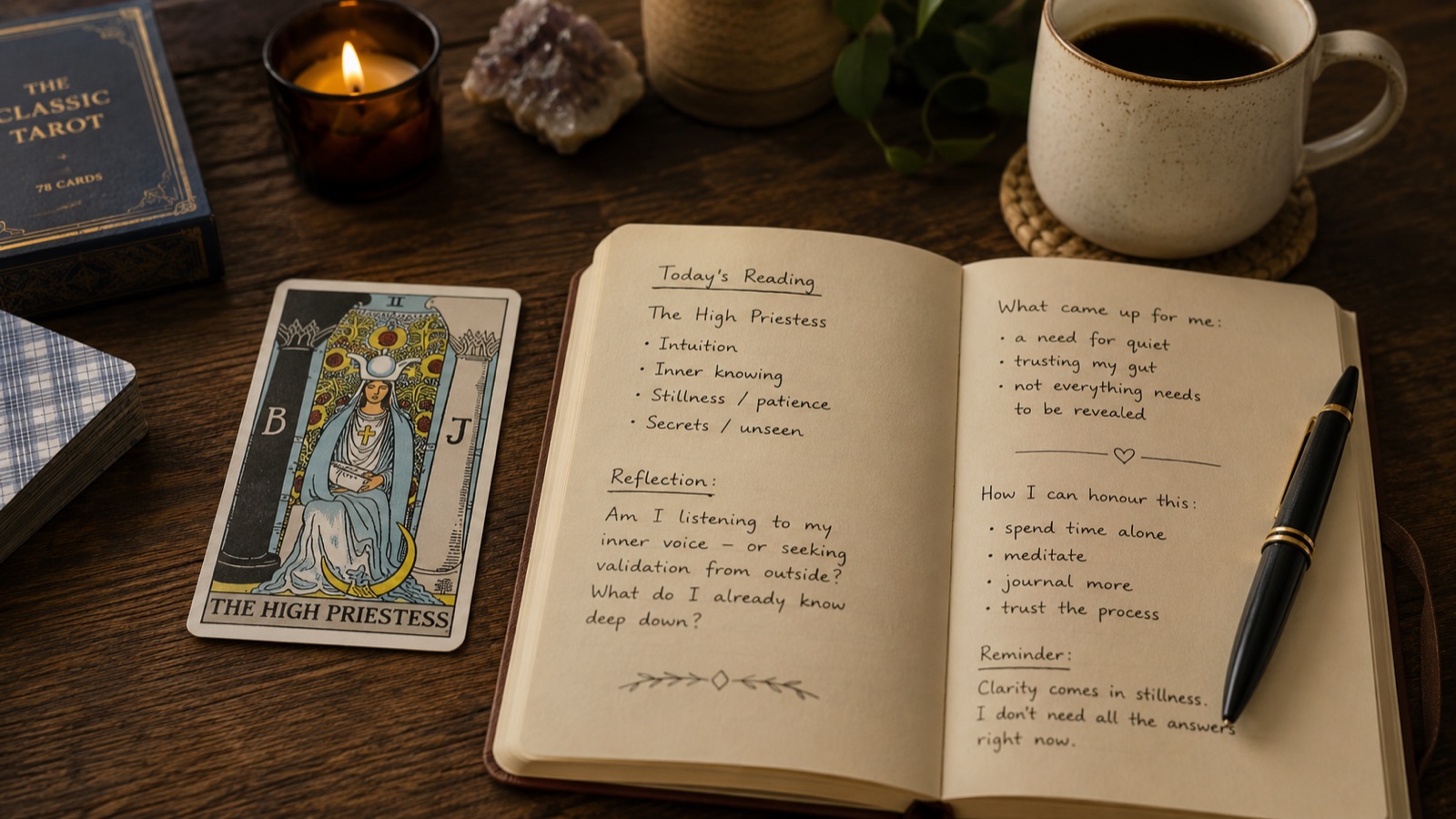
Many people describe a reading as accurate because it helps them understand something they were already experiencing but hadn't fully recognized.
What Tarot Can Help You Understand
Tarot tends to be most effective when exploring questions related to self-reflection and decision-making.
Examples include:
Relationships
Questions such as:
- What dynamic is affecting this relationship?
- What should I understand about this connection?
- What lessons am I being asked to learn?
Career Decisions
Questions such as:
- What opportunities am I overlooking?
- What challenges should I prepare for?
- What strengths should I rely on?
Personal Growth
Questions such as:
- What is holding me back?
- What should I focus on right now?
- What lesson am I currently learning?
In these situations, tarot often serves as a tool for exploration rather than prediction.
What Tarot Cannot Reliably Predict
One of the biggest misconceptions about tarot is that it can provide exact answers about future events.
For example:
- The exact date you'll meet someone
- Specific lottery numbers
- Guaranteed financial outcomes
- Precise future timelines
Tarot simply isn't designed for that purpose.
Attempting to use tarot as a source of certainty often leads to disappointment.
The strongest readings focus on possibilities, patterns, and guidance rather than promises.
Why Some Tarot Readings Feel Surprisingly Accurate
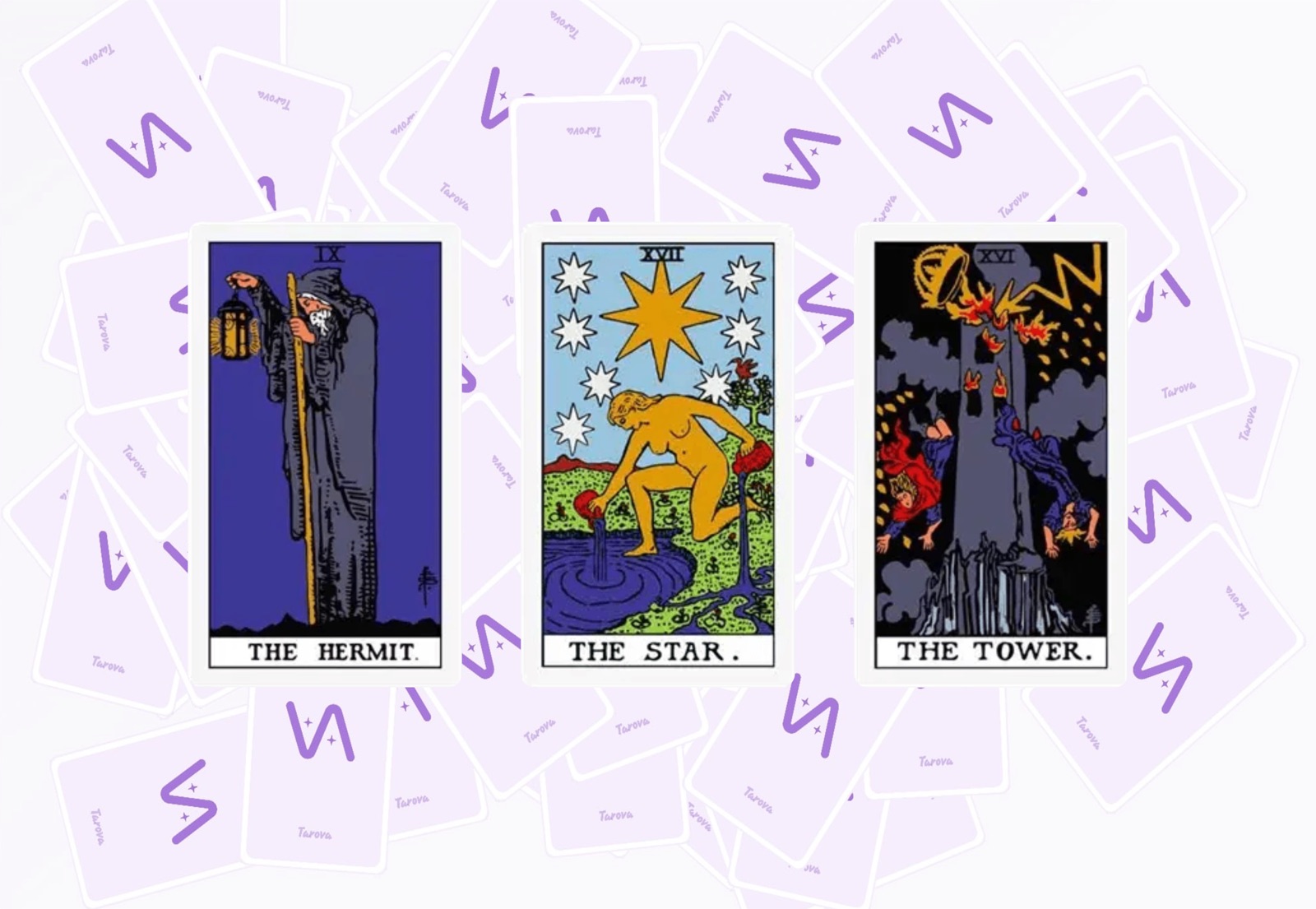
Many people have experienced readings that seemed uncannily relevant.
Several factors may contribute to this experience.
Symbolism Is Universally Human
Tarot cards contain archetypes that appear across cultures and throughout human history.
Themes such as:
- Change
- Love
- Conflict
- Hope
- Loss
- Growth
are experiences most people encounter.
Because these symbols are deeply familiar, they often resonate strongly when viewed through a personal situation.
Tarot Encourages Reflection
A good reading encourages thoughtful consideration.
Instead of providing answers, it often raises meaningful questions.
Sometimes the insight comes not from the card itself, but from the reflection it inspires.
Context Creates Meaning
The same card can carry different meanings depending on:
- The question
- The spread position
- The surrounding cards
- The person's circumstances
This flexibility allows tarot to adapt to a wide variety of situations.

Does the Reader Affect Tarot Accuracy?
Absolutely.
Two readers can interpret the same spread differently.
This is because tarot interpretation involves:
- Observation
- Symbolic understanding
- Contextual analysis
- Communication
The skill of the reader often influences how helpful a reading feels.
An experienced reader typically focuses on relationships between cards rather than isolated definitions.
They identify patterns and themes that emerge across the entire spread.
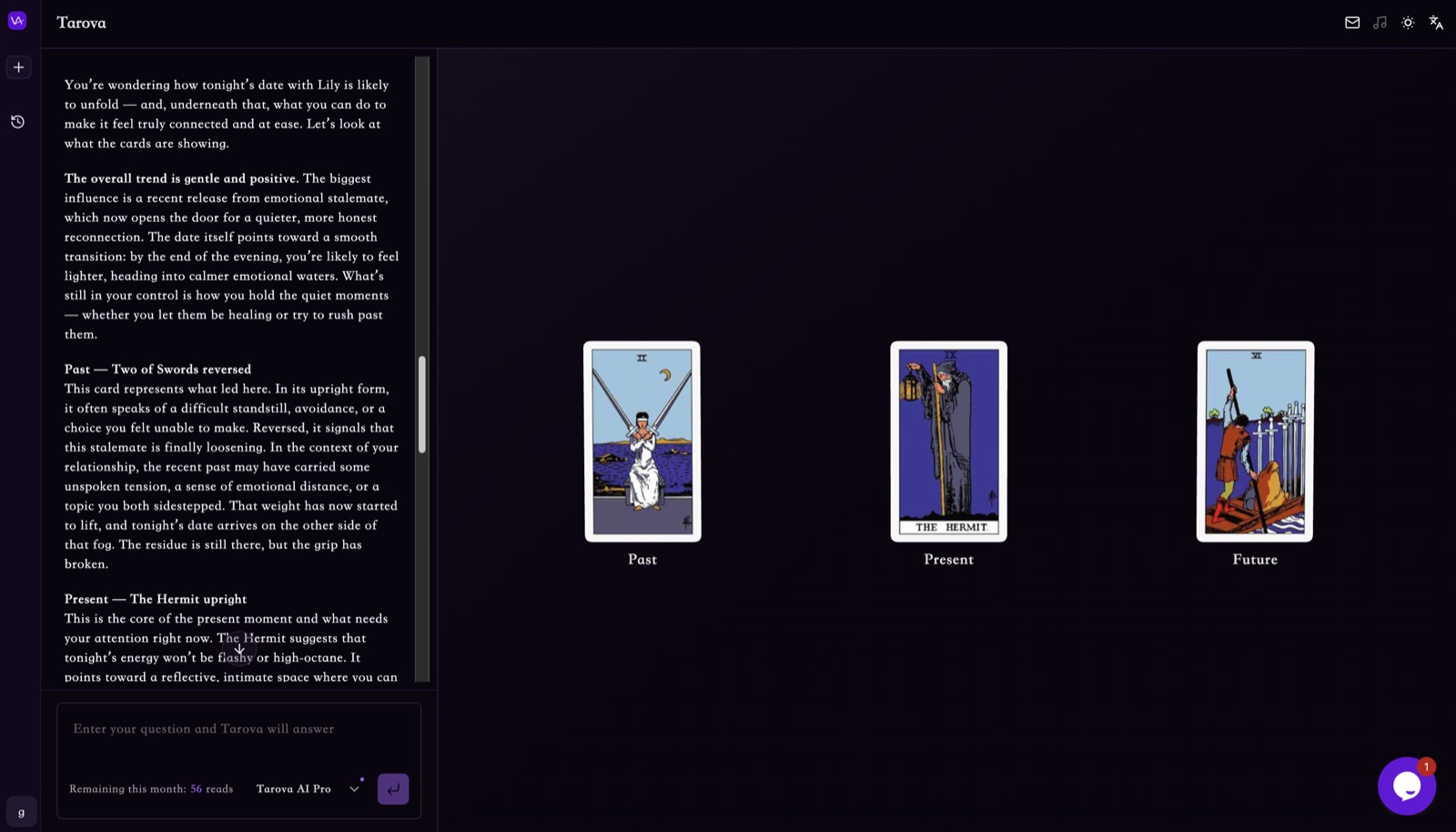
How AI Tarot Approaches Accuracy
As AI-powered tarot platforms become more common, a new question has emerged:
Can AI tarot readings be accurate?
The answer depends on what we expect from accuracy.
AI does not possess psychic abilities.
However, advanced AI systems can analyze:
- Your question
- Card meanings
- Spread positions
- Symbolic relationships
- Recurring themes
This allows AI to generate interpretations that are often more contextual than traditional static tarot websites.
Rather than displaying a fixed definition for a card, AI can evaluate how multiple cards interact within the reading.
The result is often a more personalized and coherent interpretation.
Accuracy vs. Certainty: An Important Difference
One reason tarot remains misunderstood is that people often confuse accuracy with certainty.
Certainty asks:
What exactly will happen?
Tarot rarely provides that.
Accuracy asks:
Does this insight help me better understand my situation?
That is where tarot often excels.
The most meaningful readings do not eliminate uncertainty.
They help people navigate uncertainty with greater awareness.
How to Get More Meaningful Tarot Readings
If your goal is to gain useful insights, consider these best practices.
Ask Better Questions
Instead of:
Will I get the job?
Try:
What should I focus on to improve my chances of success?
Open-ended questions tend to produce richer readings.
Focus on Guidance, Not Prediction
The best readings explore possibilities rather than guarantees.
Consider the Entire Spread
Avoid interpreting cards in isolation.
The story created by multiple cards is often more important than any individual meaning.
Reflect on the Reading
Many insights emerge after the reading is complete.
Give yourself time to consider what the cards may be highlighting.
Experience Tarot Through Context, Not Just Card Meanings
At Tarova, we believe tarot is most valuable when it goes beyond simple definitions.
That's why our AI-guided readings focus on the complete experience:
- Clarifying the question
- Simulating the card-drawing ritual
- Interpreting relationships between cards
- Exploring themes across the spread
- Allowing follow-up questions and deeper discussion
Rather than asking whether a single card is accurate, the goal is to understand the larger story the cards may be revealing.
Frequently Asked Questions
Is tarot scientifically proven?
Tarot is not considered a scientific method for predicting future events. Most people use tarot as a reflective or symbolic tool rather than a predictive science.
Can tarot predict the future?
Tarot may explore possibilities and potential outcomes, but it cannot reliably predict specific future events with certainty.
Why do tarot readings feel so accurate?
Many readings resonate because they encourage reflection on real-life situations, emotions, and decisions through symbolic imagery and storytelling.
Are online tarot readings accurate?
The quality of an online reading depends on how the interpretation is generated. Systems that consider context, card relationships, and user questions often provide more meaningful insights than simple card-definition generators.
Can AI interpret tarot cards effectively?
AI can analyze card meanings, spread structures, and symbolic themes to generate contextual interpretations, making it a useful tool for exploring tarot readings.
Final Thoughts
Tarot's value has never depended on predicting the future with certainty.
Its strength lies in helping people explore questions, examine patterns, and view situations from a different perspective.
The most useful readings are often not the ones that claim to know exactly what comes next. They're the ones that help you better understand where you are now, what influences may be shaping your choices, and what possibilities deserve your attention.
Whether you're consulting a human reader or exploring an AI-guided experience, the goal remains the same: to gain insight, reflect more deeply, and approach your next step with greater clarity.