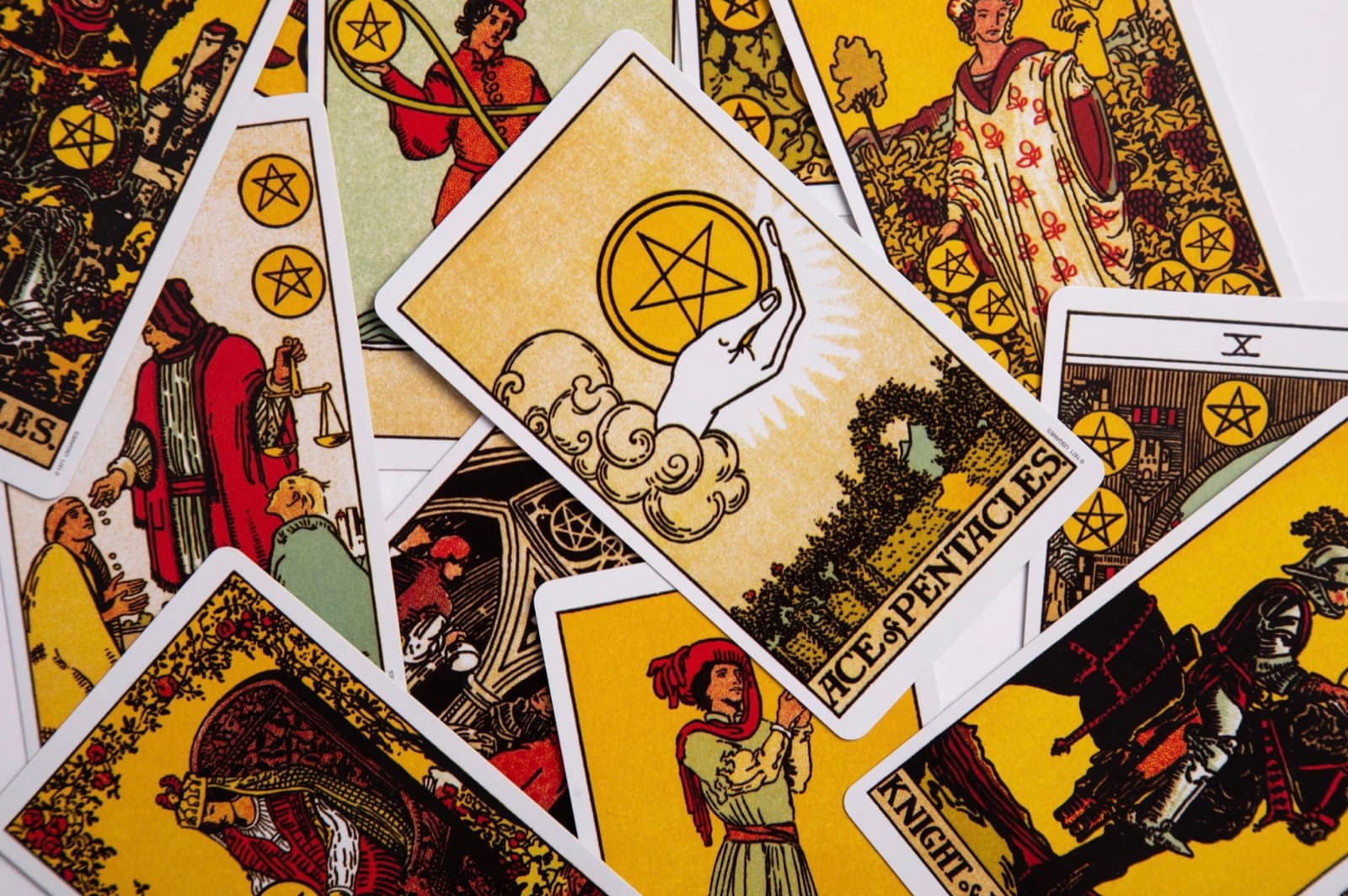
For centuries, tarot has been used as a tool for reflection, guidance, and self-discovery. Today, artificial intelligence is transforming how people access tarot readings, creating a new category known as AI Tarot.
But AI Tarot is often misunderstood.
Many people imagine an AI simply generating random card meanings. In reality, the best AI Tarot experiences combine traditional tarot symbolism, structured card spreads, interactive conversation, and personalized interpretation to create something much closer to a real tarot session.
Rather than replacing tarot, AI is making tarot more accessible, interactive, and available whenever guidance is needed.
In this guide, we'll explore:
- What AI Tarot actually is
- How AI Tarot readings work
- Whether AI Tarot is accurate
- AI Tarot vs traditional tarot readings
- Why immersive AI experiences are becoming the future of online tarot
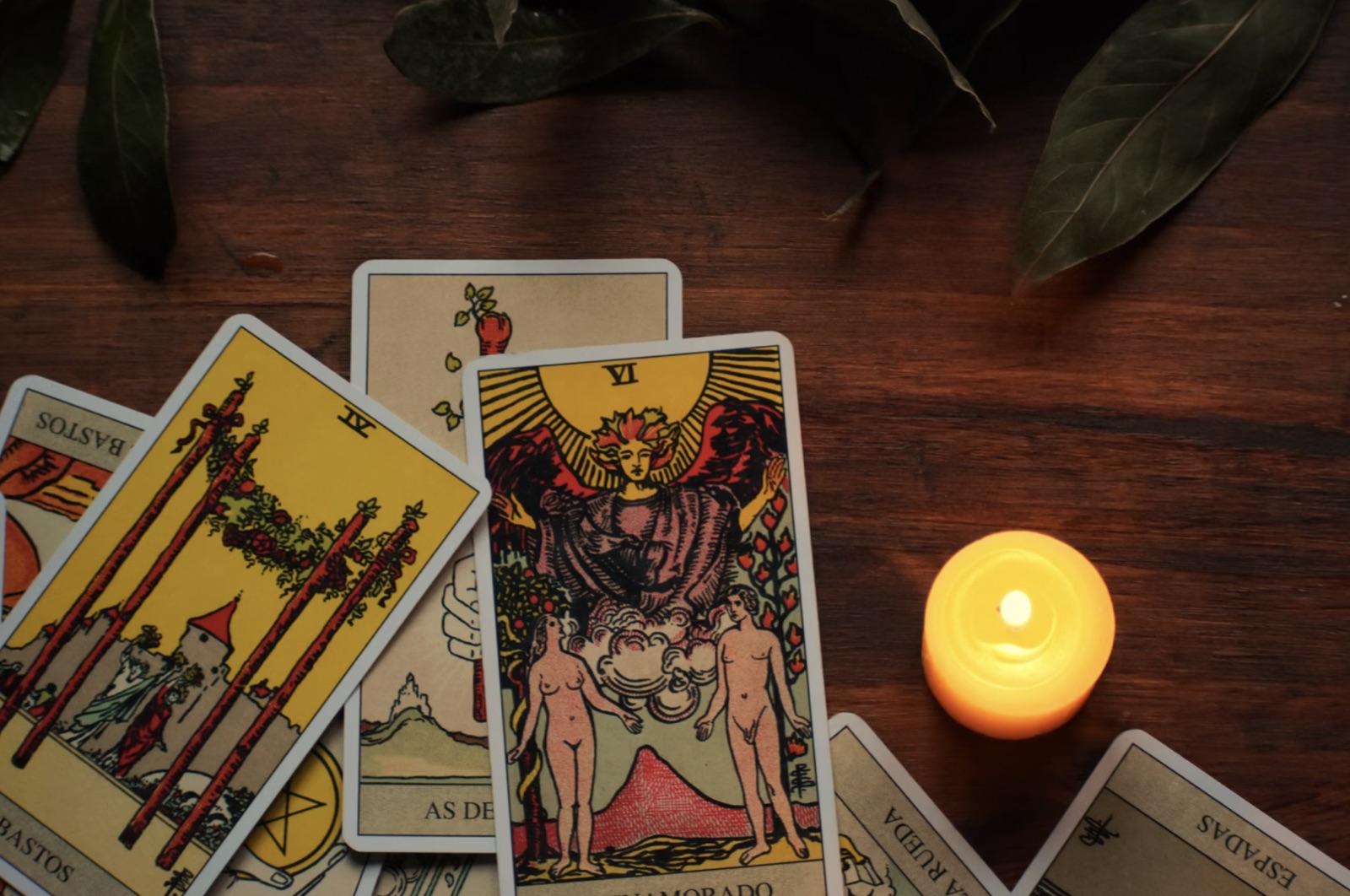
The Evolution of Tarot Reading
Tarot has never been about predicting the future with certainty.
Historically, tarot cards have served as symbolic mirrors, helping people explore:
- Relationships
- Career decisions
- Emotional challenges
- Personal growth
- Spiritual questions
A tarot reader interprets these symbols and connects them to the seeker's situation.
The modern challenge is accessibility.
Traditional tarot readings often require:
- Scheduling appointments
- Finding experienced readers
- Paying premium fees
- Waiting for availability
AI Tarot emerged as a solution, making tarot guidance available instantly while preserving the reflective nature of the practice.
What Is AI Tarot?

AI Tarot is a digital tarot reading experience powered by artificial intelligence.
Instead of a human reader interpreting the cards, AI analyzes:
- Your question
- The cards drawn
- The spread structure
- The symbolic relationships between cards
It then generates a personalized reading based on those elements.
However, not all AI Tarot systems are created equal.
Most online tools simply:
- Generate random cards
- Display pre-written meanings
- End the session
While technically functional, these experiences often feel mechanical and disconnected.
A more advanced AI Tarot experience goes much further.
It creates a dialogue.
It helps users clarify their question.
It guides them through the card draw.
It interprets not only the cards but also the context behind the question.
This creates a reading that feels significantly more meaningful and engaging.

How Does AI Tarot Work?
Understanding how AI Tarot works helps explain why some platforms provide much deeper experiences than others.
Step 1: Understanding the User's Question
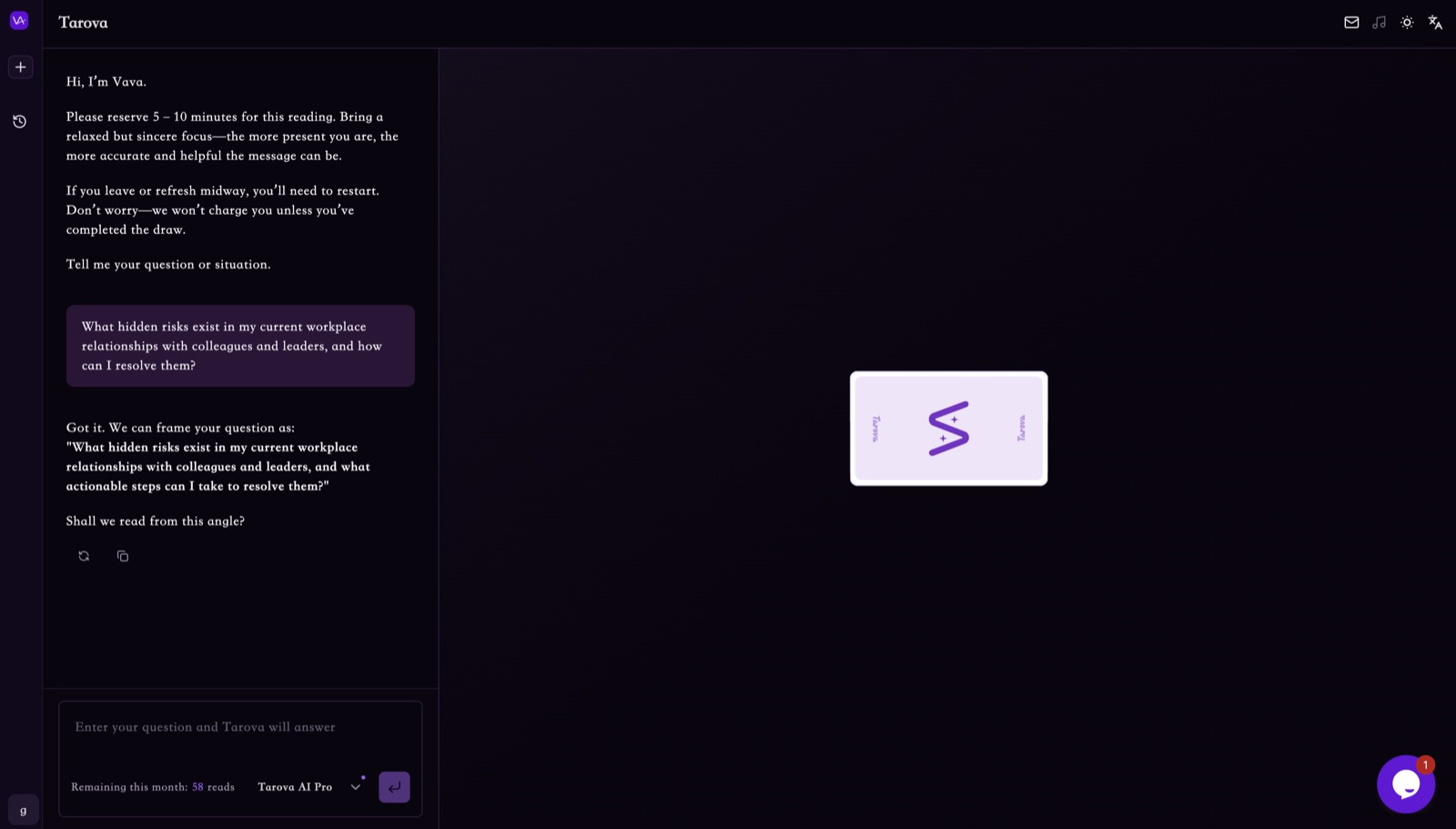
Everything begins with a question.
Examples include:
- Should I change careers?
- What is blocking my relationship?
- How can I move forward?
- What should I focus on right now?
Advanced AI Tarot systems don't immediately draw cards.
Instead, they begin a conversation.
They help users move from vague concerns to focused questions.
For example:
Instead of:
"My life feels confusing."
The AI may guide the user toward:
"What hidden factors are affecting my confidence in my career decisions?"
This clarity dramatically improves the quality of the reading.
Step 2: Simulating the Tarot Ritual
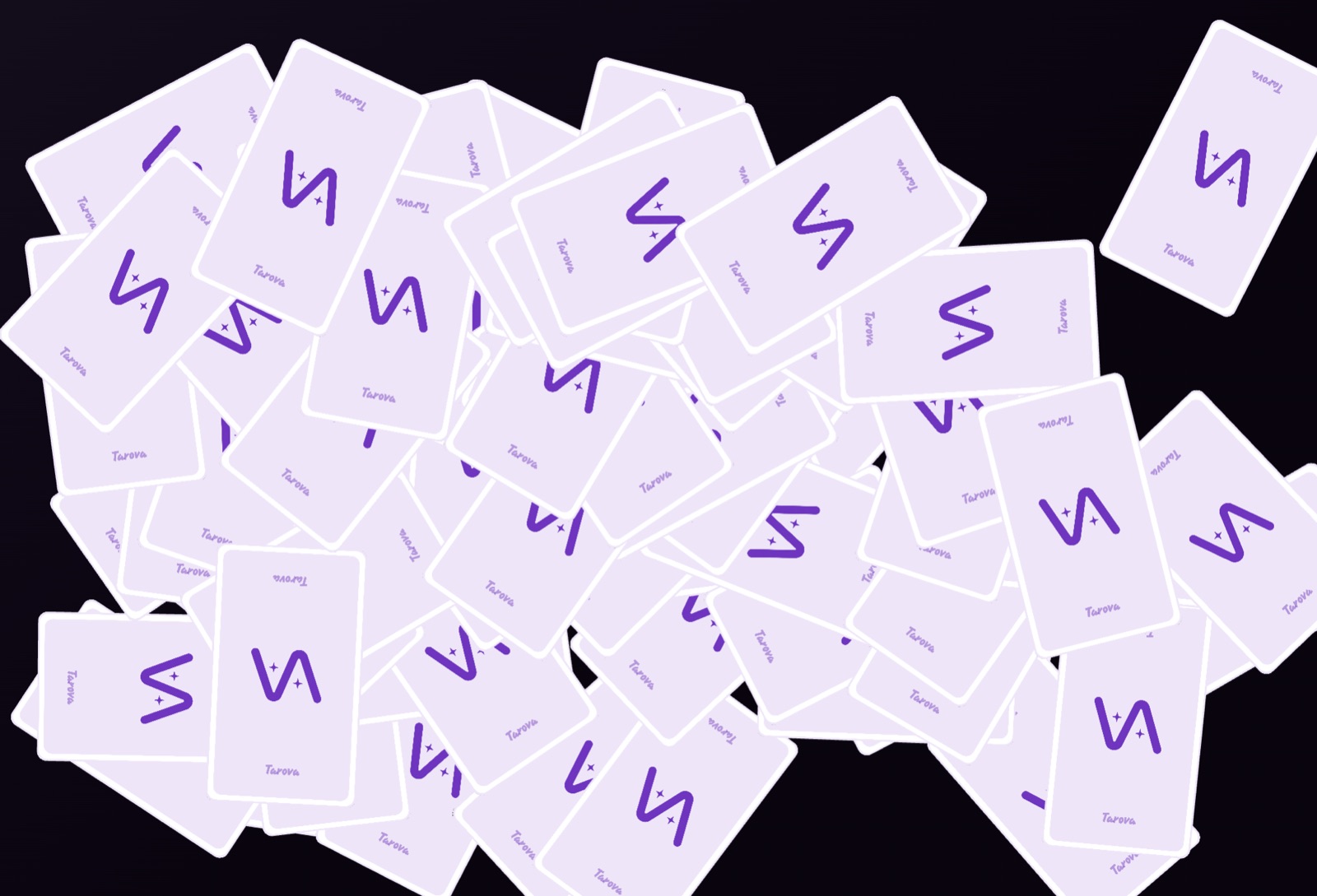
The ritual matters.
Traditional tarot readings involve:
- Shuffling
- Focusing intention
- Selecting cards
- Revealing the spread
These steps create emotional engagement and help users become mentally present.
Many AI Tarot generators skip this entirely.
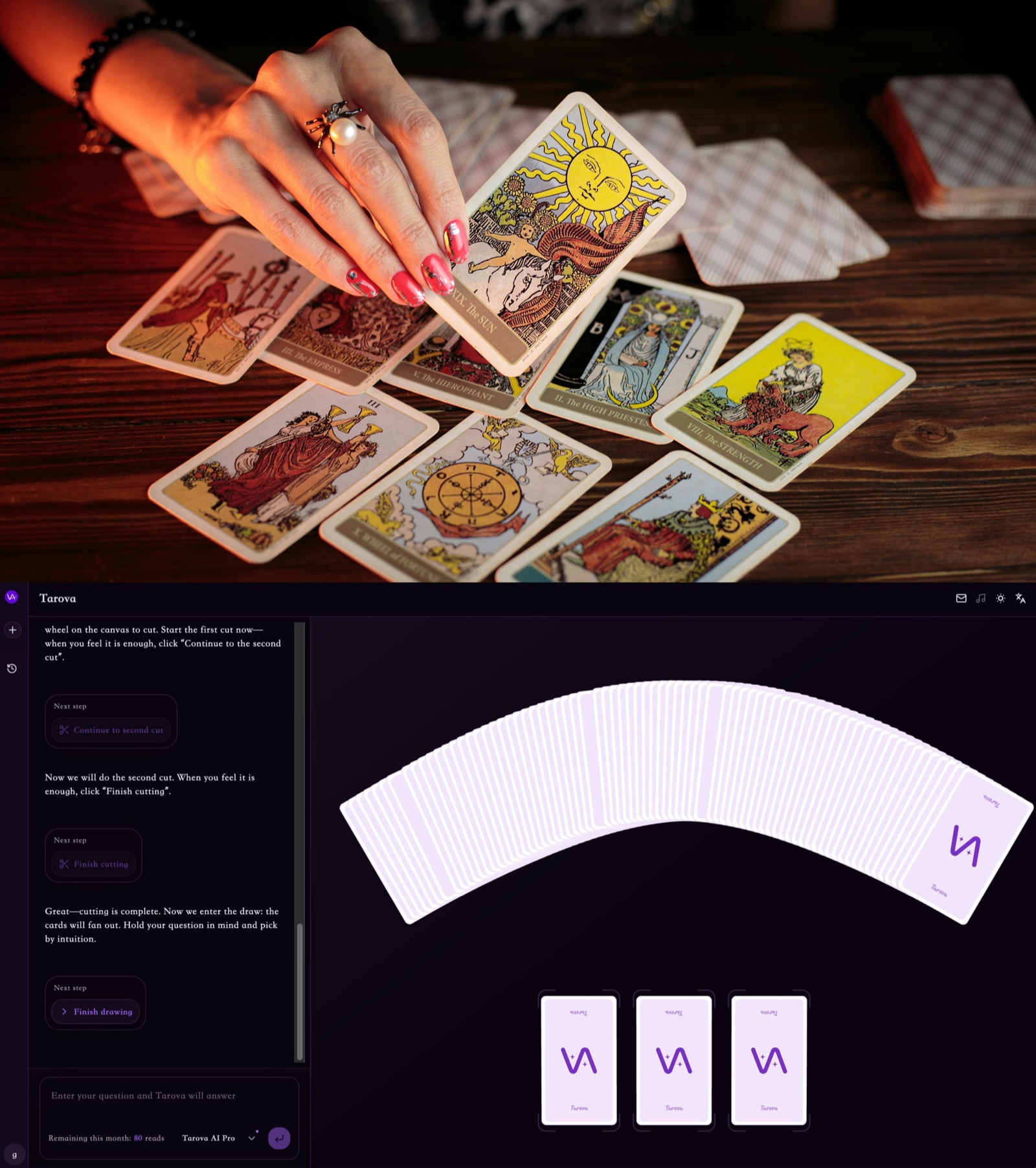
The best platforms recreate the ritual digitally by simulating:
- Card shuffling
- Deck selection
- Card reveals
- Structured spreads
This transforms the experience from a simple content generator into an actual tarot session.
Step 3: Card Selection and Spread Creation
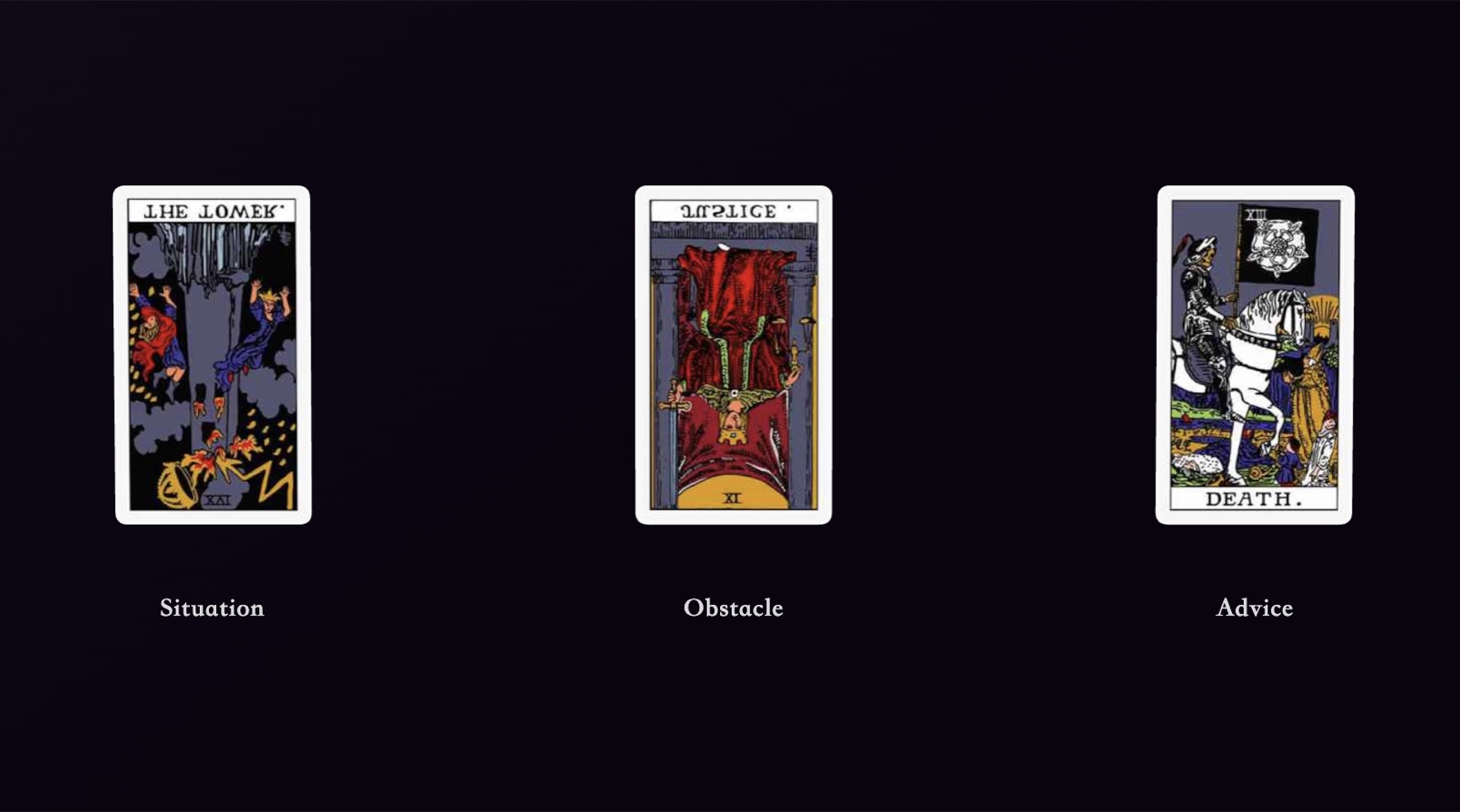
The system then performs a card draw.
Depending on the reading type, the spread may include:
Single Card Reading
Used for quick guidance.
Three Card Spread
Often interpreted as:
- Past
- Present
- Future
Or:
- Situation
- Challenge
- Advice
Complex Multi-Card Spread
Used for deeper exploration of relationships, life transitions, and long-term decisions.
Each position influences how a card is interpreted.
The same card can carry different meanings depending on where it appears within the spread.
Step 4: AI Interpretation
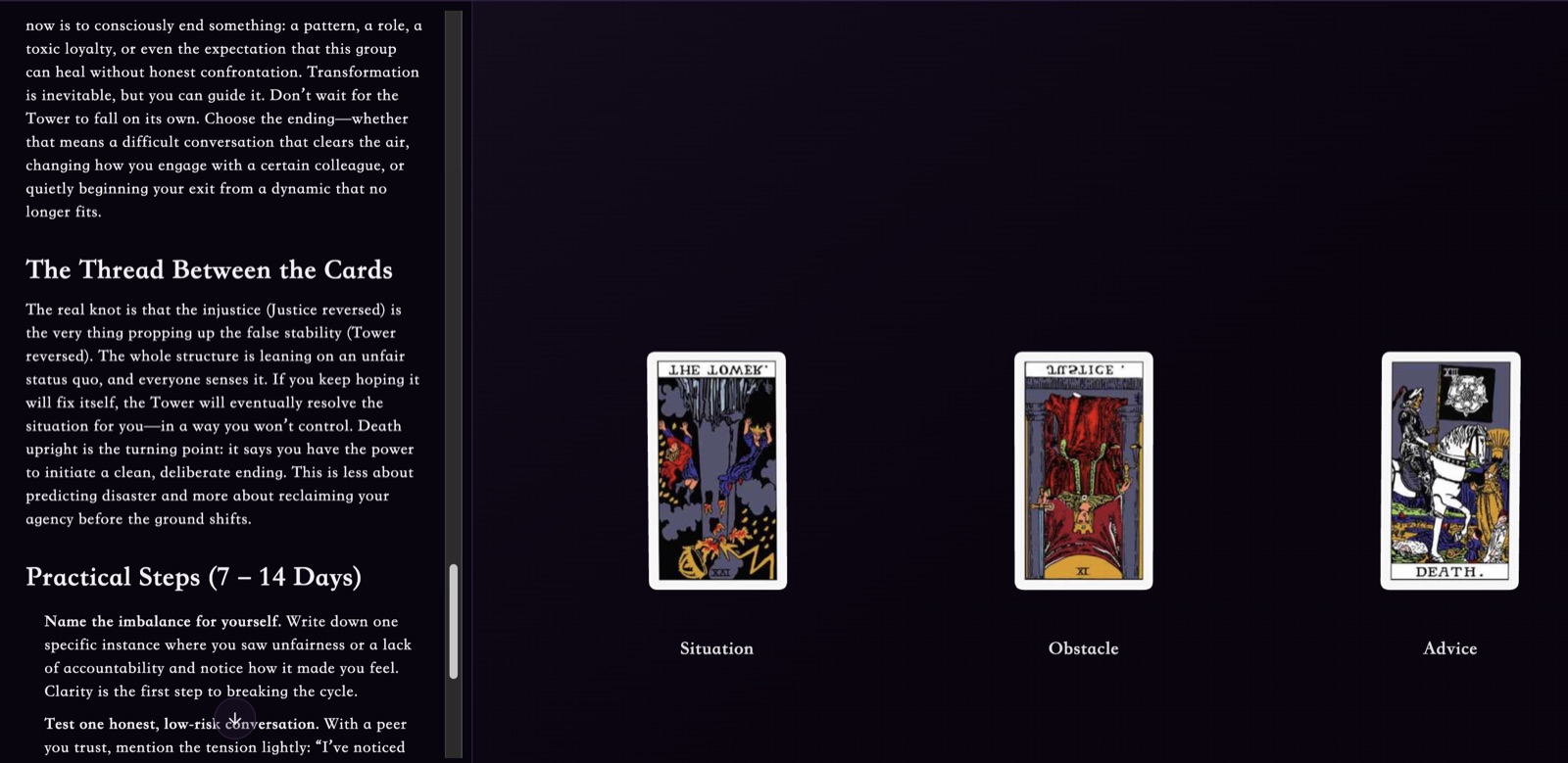
This is where advanced AI Tarot differs from basic tarot generators.
The AI evaluates:
- Individual card meanings
- Symbolic relationships between cards
- Card positions
- Themes across the spread
- User context
Instead of providing isolated definitions, the AI builds a coherent narrative.
For example:
A reading containing:
- The Hermit
- The Fool
- The Star
May reveal themes around:
- Reflection
- New beginnings
- Hope and renewal
The AI connects these symbols into a story relevant to the user's situation.
Step 5: Interactive Follow-Up
A real tarot session doesn't end after the first interpretation.
People naturally ask:
- What does this card mean?
- Why did this card appear?
- What happens if I choose a different path?
- Can we explore this relationship further?
Advanced AI Tarot platforms support continuous conversation.
This transforms the reading from a static report into an evolving dialogue.

Is AI Tarot Accurate?
This is one of the most common questions people ask.
The answer depends on how we define accuracy.
If accuracy means:
Predicting the future with certainty
Then neither AI Tarot nor traditional tarot can reliably do that.
But tarot has never primarily been about prediction.
Tarot is more accurately understood as a tool for:
- Reflection
- Pattern recognition
- Emotional exploration
- Perspective shifts
In this context, accuracy becomes something different.
A reading feels accurate when it:
- Resonates emotionally
- Reveals overlooked patterns
- Encourages useful self-reflection
- Helps clarify decisions
The strongest AI Tarot experiences excel at this form of reflective accuracy.
AI Tarot vs Traditional Tarot Readings
Traditional Tarot
Strengths
- Human intuition
- Emotional nuance
- Personalized interaction
Limitations
- Expensive
- Limited availability
- Variable quality
Basic AI Tarot Generators
Strengths
- Instant access
- Free or low cost
Limitations
- Generic interpretations
- No conversation
- Little emotional depth
Advanced Conversational AI Tarot
Strengths
- Always available
- Interactive dialogue
- Personalized guidance
- Consistent experience
- Deep symbolic analysis
- Scalable ritual experience
Limitations
- Lacks human psychic intuition
- Depends on quality of system design
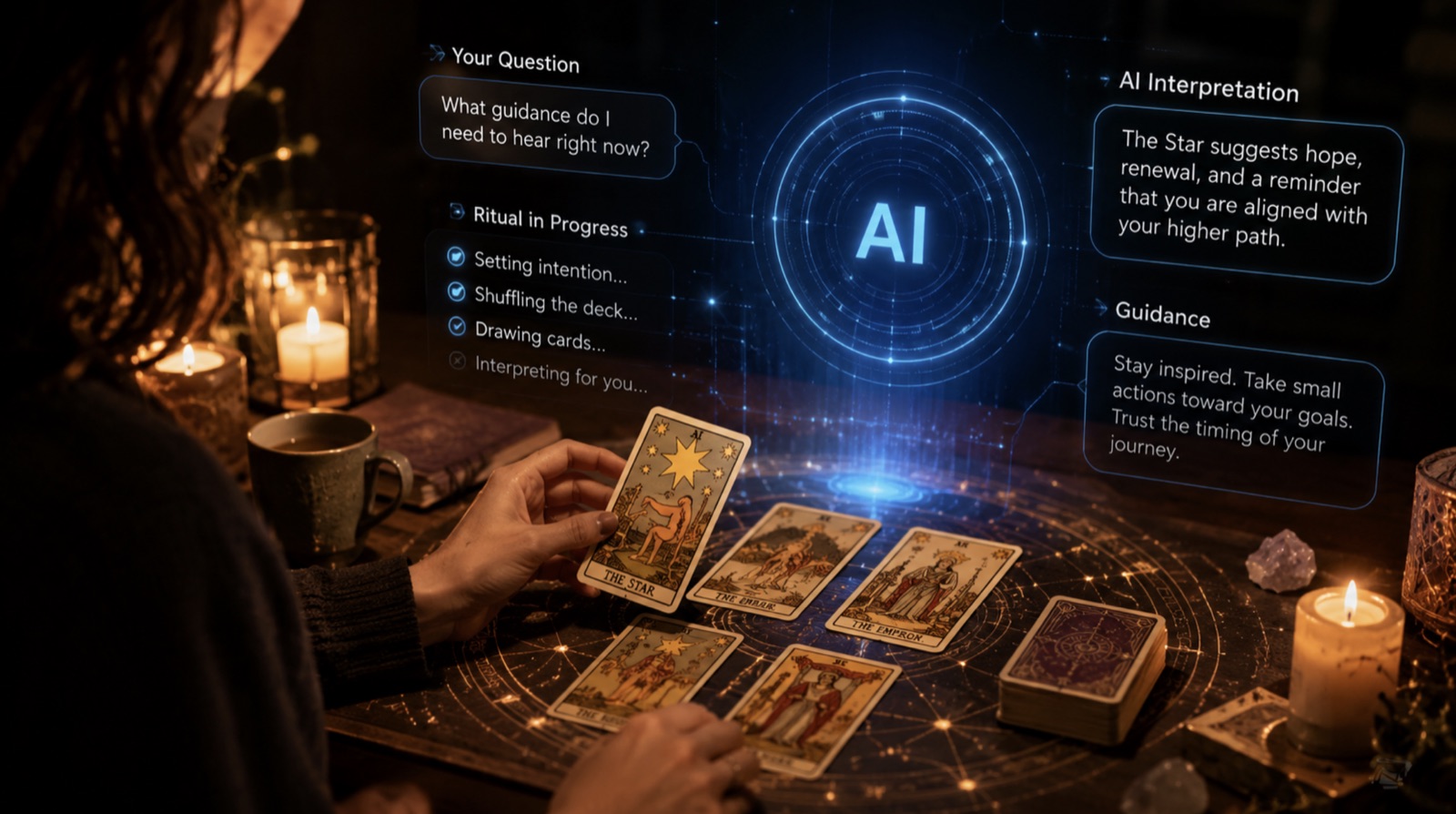
Why Ritual Matters in AI Tarot
Most AI Tarot products focus entirely on interpretation.
The problem is that tarot is not only about interpretation.
It is also about experience.
The feeling of:
- Asking a meaningful question
- Entering a reflective state
- Drawing cards intentionally
- Discovering symbolic insights
creates much of tarot's value.
Without ritual, tarot becomes content.
With ritual, tarot becomes transformation.
This is where modern platforms are beginning to differentiate themselves.
The Future of AI Tarot
The next generation of AI Tarot is moving beyond simple card meanings.
Future experiences will increasingly combine:
- Conversational AI
- Personalized memory
- Guided reflection
- Ritual simulation
- Emotional intelligence
- Adaptive interpretation
The goal is not to replace human readers.
The goal is to create a new category of self-discovery tools that blend ancient symbolism with modern technology.
A New Approach to AI Tarot Reading
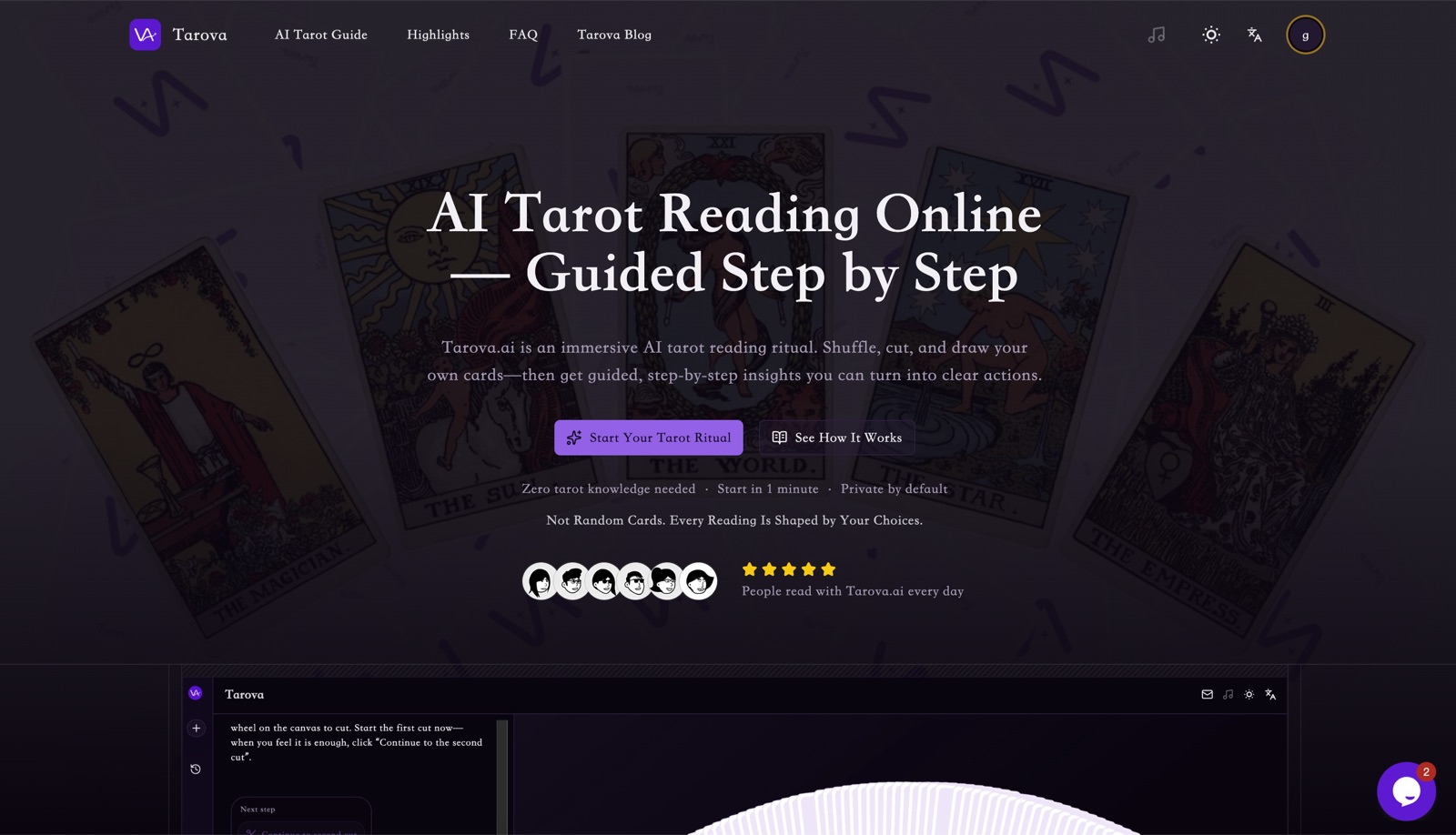
At Tarova.ai, the focus is not simply generating card meanings.
The experience is designed to mirror the flow of a real tarot session:
- AI-guided conversation to clarify your question.
- A simulated tarot ritual that recreates the feeling of drawing cards.
- Structured spreads designed around your situation.
- Deep AI interpretation across emotional, practical, and symbolic dimensions.
- Ongoing dialogue that allows further exploration after the reading.
Rather than functioning as a tarot generator, the platform aims to provide a complete AI Tarot experience—from intention setting to final insight.
Frequently Asked Questions
Can AI Tarot predict the future?
No. AI Tarot is best viewed as a reflection and guidance tool rather than a future prediction system.
Is AI Tarot real tarot?
Yes. AI Tarot still uses authentic tarot cards, traditional spreads, and established symbolic meanings. The difference lies in who performs the interpretation.
Is AI Tarot better than traditional tarot?
They serve different purposes. Traditional readings offer human intuition, while AI Tarot provides instant access, consistency, and interactive exploration.
Why do some AI Tarot readings feel generic?
Many tools simply display pre-written card meanings. More advanced systems use conversation, context, and spread analysis to generate personalized interpretations.
What makes a good AI Tarot experience?
Look for:
- Interactive conversation
- Realistic card drawing rituals
- Structured spreads
- Deep interpretation
- Follow-up discussion
These elements create a much richer and more meaningful reading experience.
Final Thoughts
Tarot has always been less about predicting what will happen next and more about helping people make sense of where they are now.
Whether the cards point to a difficult decision, an unresolved emotion, or a new opportunity, the value of a reading often comes from the questions it helps you ask—not the answers it claims to provide.
AI Tarot doesn't change that.
What it can do is make the experience more accessible, more interactive, and available whenever reflection is needed. And when thoughtful conversation is combined with meaningful symbolism, even a simple reading can become a useful moment of clarity.